How Telehealth Appointments Have Changed Over Time
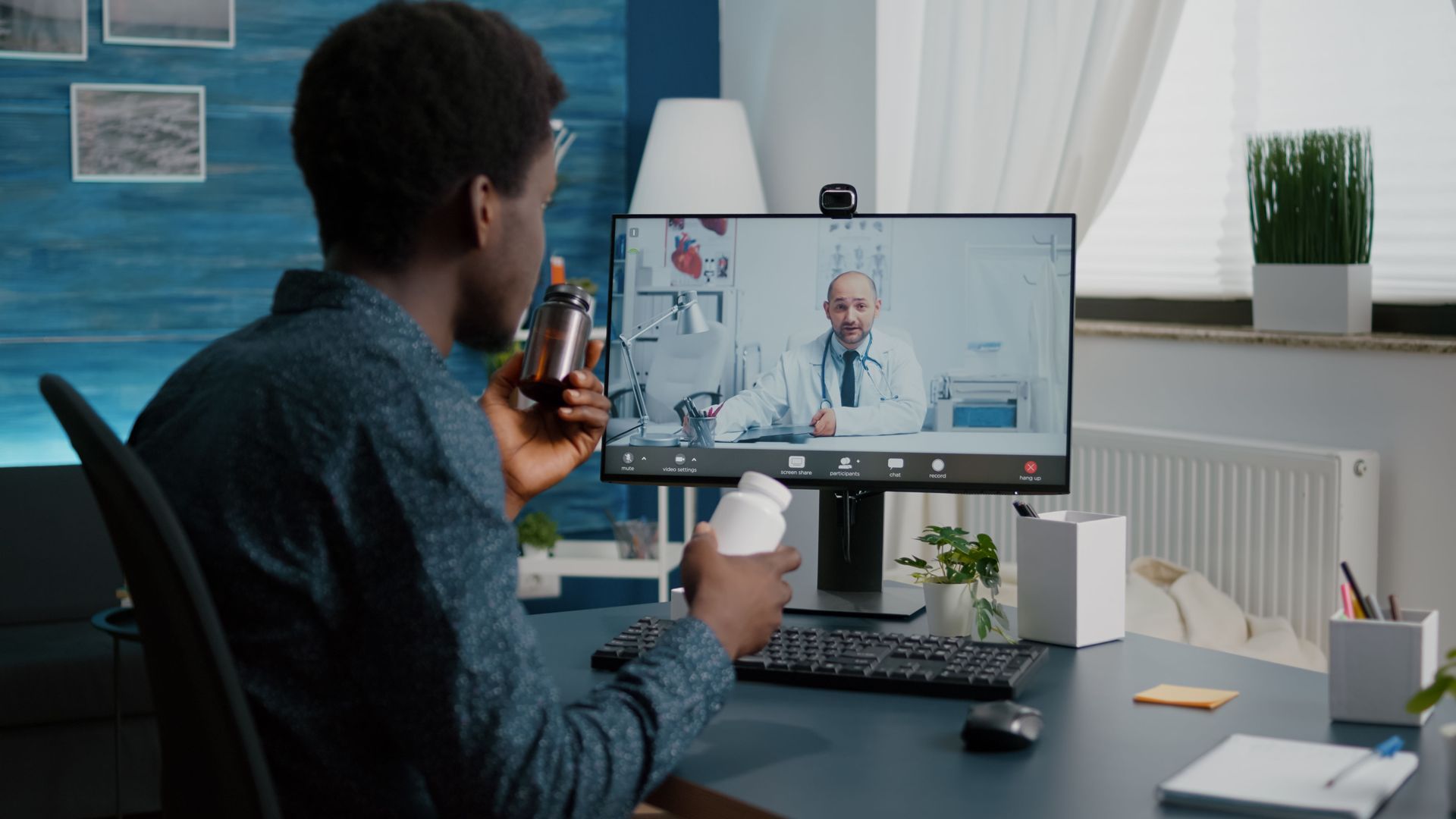
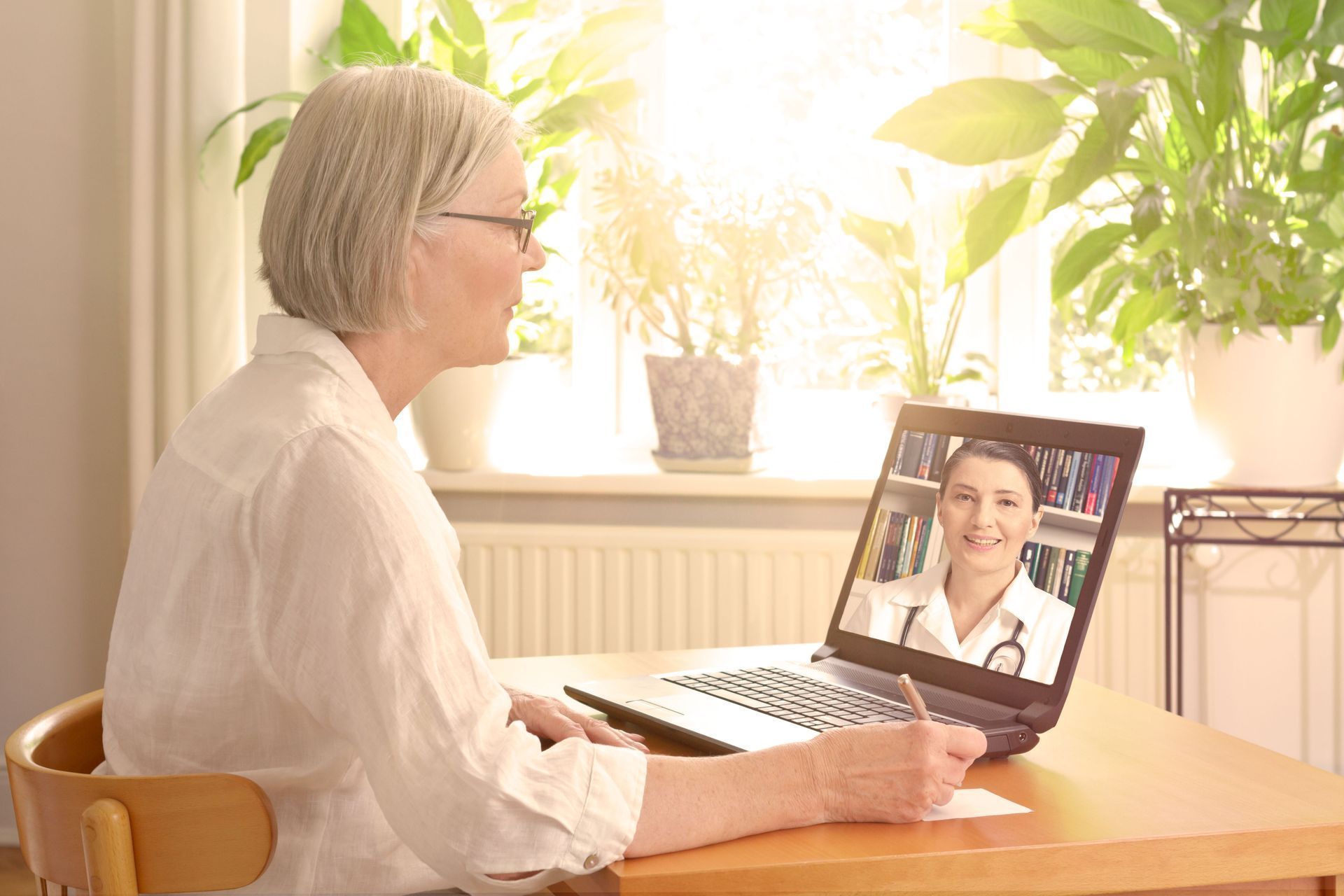
Medicine looks distinct in the modern era compared to past generations. Medical professionals rely on digital tools to reach patients across vast distances. The concept of remote medicine transitioned from a novel idea to a daily routine. This transformation altered the manner in which people seek medical advice. Physicians conduct routine checkups through video screens. The popularity of telehealth appointments continues to grow. Patients embrace the comfort of receiving care from their living rooms.
Technology propelled this massive shift in healthcare delivery. Telecommunications improved, enabling clearer audio and sharper video. Patients no longer sit in waiting rooms for basic consultations. Digital platforms connect individuals with specialists regardless of geography. The progression of remote medical care reveals a fascinating intersection of healthcare and innovation. The integration of software into daily medical practice redefines the patient experience. The shift empowers individuals to manage their health journeys.
The Dawn of Virtual Medical Consultations
Remote care began with basic telephone calls. Physicians answered urgent questions over audio connections. Patients lacked visual assessments during these interactions. Doctors relied on verbal descriptions to diagnose ailments. This method offered a limited scope for complex medical issues. The absence of visual cues made thorough examinations impossible. Medical advice felt detached without the physical presence of a doctor.
Rural communities needed better access to specialists. Distance created huge barriers to quality medical attention. Early video links required massive equipment and dedicated rooms. Hardware filled entire spaces within clinics. Installation costs prevented widespread adoption of standard practices. Technicians needed to maintain the complex web of wires and monitors. The sheer size of early systems made them impractical for standard clinical use.
Major hospitals possessed the necessary hardware. Small local clinics lacked the budget for the expensive setup. Adoption remained minimal across the broader medical field. Funding for such projects remained scarce outside of grant-funded research programs. Average citizens lacked access to the benefits of virtual care. The technology existed, but the infrastructure to support it lagged behind the vision.
Despite these limitations, early pioneers saw massive potential. They built networks connecting rural clinics to urban experts. These initial steps laid the foundation for modern medicine. The groundwork prepared the industry for the eventual rise of telehealth appointments. Innovators pushed the boundaries of available technology to serve remote populations. Their efforts proved that distance should not dictate the quality of care received. The vision of a connected medical network began to take shape.
The Expansion of Remote Healthcare Access
The landscape shifted during the recent global health crisis. Clinics shut their doors to non-essential visits. Patients and providers needed alternative solutions. Necessity forced the rapid adoption of remote care platforms. The medical industry pivoted to virtual models to sustain operations. Health systems overhauled their scheduling systems to accommodate digital visits. Regulatory bodies relaxed restrictions to permit the widespread use of video platforms. Change happened at a rapid pace.
Software companies developed secure video applications. Mobile phones became personal medical devices. People adapted to seeing their doctors through screens, abandoning in-person exam rooms. Video consultations became the norm for minor ailments. Application developers prioritized user-friendly interfaces to assist patients lacking technical skills. Secure servers handled sensitive health data to comply with privacy laws. Virtual waiting rooms replaced physical lobbies. The medical field embraced the digital age.
Routine checkups transformed into virtual meetings. Mental health counseling found a natural fit in video conferencing. Patients appreciated the convenience of home consultations. Therapy sessions flourished in the digital space. The absence of commutes reduced the stress associated with attending sessions. Individuals felt comfortable discussing sensitive topics from the security of their own homes. A new standard of care emerged for psychological well-being. Providers noted positive patient outcomes.
The shift became permanent for a large portion of the population. According to Tech Report, almost 90% of Americans preferred using telemedicine post-COVID-19. Convenience drove this lasting preference. Patients discovered the ease of skipping commutes. Avoiding crowded waiting rooms became a priority for health-conscious individuals. The traditional office visit lost its monopoly on primary care. Virtual options cemented their place in the medical scheduling ecosystem.
The Integration of Advanced Digital Tools
Modern telehealth appointments utilize sophisticated technology. High-definition cameras allow doctors to examine physical symptoms with extreme clarity. Microphones capture subtle voice changes indicating illness. Technology bridges the physical gap between doctor and patient. High-resolution screens reveal details invisible to older webcams. Dermatologists inspect skin lesions through crystal-clear images submitted by patients. Digital examinations offer remarkable accuracy. The quality of care rivals traditional in-person visits.
Wearable devices send vital signs to clinics. Heart rate monitors and blood pressure cuffs sync with patient portals. Physicians monitor chronic conditions without office visits. Real-time data improves chronic disease management. Smartwatches track sleep patterns and oxygen levels. This continuous stream of information provides a comprehensive view of overall health. The constant influx of medical metrics enables proactive health interventions. Patients take an active role in monitoring their own conditions.
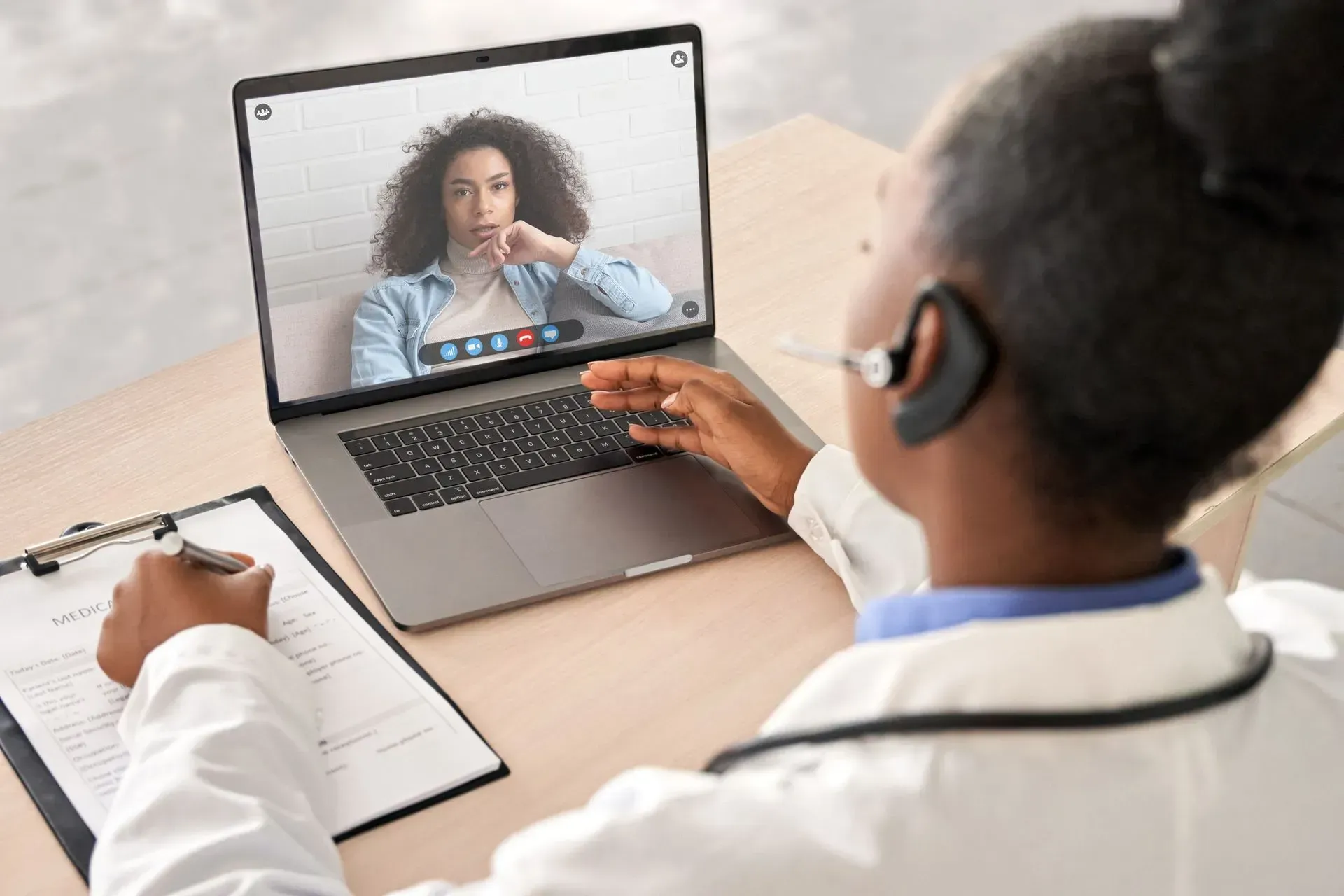
Electronic health records integrate with video software. Doctors review lab results while speaking to patients. This seamless connection improves the overall quality of care. Providers make informed decisions based on comprehensive digital profiles. The centralization of the medical information streamlines the consultation process. Physicians spend less time searching for files and more time interacting with the individual. The entire medical history of an individual rests at the fingertips of the attending physician.
Artificial intelligence aids diagnosis during virtual visits. Algorithms analyze patient history and suggest potential treatments. Technology empowers medical staff to make accurate decisions. Future software updates promise superior diagnostic capabilities. Machine learning models detect patterns in symptoms that might elude human observation. These digital assistants serve as valuable tools for overtaxed medical professionals. Software identifies risk factors and alerts the provider during the live video feed.
The Outlook for Distant Patient Care
Upcoming telehealth appointments will feature enhanced digital interfaces. Virtual reality might allow doctors to walk patients through anatomical models. The boundaries between physical and digital care will blur. Immersive spaces could simulate physical exam rooms. Headsets might transport individuals into serene digital locations for therapy sessions. The limitations of flat screens will give way to lifelike medical encounters. The next phase of medical technology promises unprecedented interaction.
Regulatory frameworks must evolve alongside the technology. Medical licenses restrict cross-border practice. Lawmakers need to update policies to match the borderless nature of digital health. Bureaucracy limits the reach of remote physicians. Current laws tie providers to specific geographic regions despite the capabilities of the internet. A modernized legal structure would allow specialists to consult with individuals anywhere in the world. Reforming these antiquated rules remains a priority.
Insurance coverage remains a critical factor. Providers need fair reimbursement for remote care. Patients require affordable options for virtual consultations. Policy changes must ensure equitable access for all demographics. Financial structures must adapt to support digital medicine. Insurers must recognize the value of preventative remote care in reducing overall medical costs. Ensuring parity between virtual and physical visits encourages continued growth in the sector. Financial viability ensures long-term success.
Security measures must protect sensitive medical data. Encryption protocols guard against unauthorized access. Maintaining patient confidence requires strong defenses against cyber threats. System administrators must prioritize data privacy. The shift to digital records increases the risk of data breaches. Healthcare organizations invest heavily in securing their networks against malicious actors. Protecting health information remains paramount to the success of remote medicine. Data protection remains a massive priority.
The journey of telehealth appointments displays remarkable progress. As technology advances, telehealth appointments will continue to shape patient care. Remote medicine stands as a permanent pillar of modern health. The future of medicine exists within the digital realm. Innovation will continue to drive better outcomes and smoother experiences. The transition from physical waiting rooms to digital lobbies is complete. Health and technology remain intertwined in the modern era. Contact KAMs Mobile Health to schedule your next consultation. Our secure telehealth appointments deliver quality care directly to your living room.
Recent Posts