6 Barriers Telemedicine Helps Patients Overcome
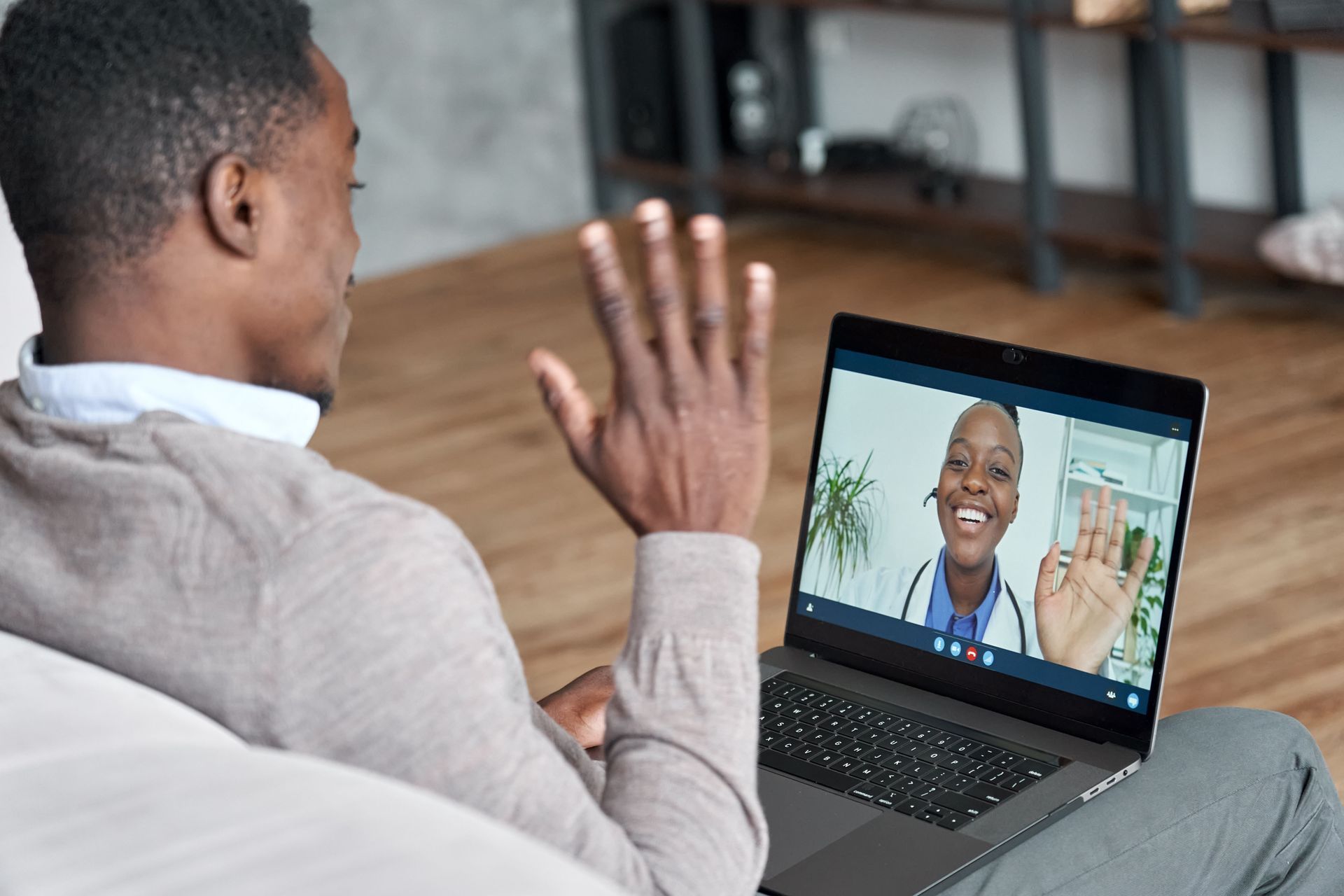
Accessing quality healthcare has historically been a challenge for many individuals due to various physical, logistical, and systemic obstacles. For decades, patients have struggled to receive timely medical attention due to factors outside their control. Fortunately, modern technological advancements have paved the way for innovative solutions that bridge the gap between healthcare providers and those who need their expertise the most. Among the most transformative of these advancements is the rapid adoption of digital healthcare solutions. By utilizing secure platforms to facilitate remote appointments, medical professionals can now offer comprehensive care without requiring the patient to be physically present in a clinic or hospital setting. This shift in healthcare delivery is not just a temporary adjustment; it represents a fundamental change in how medical services are accessed and experienced globally. Throughout this evolution, telemedicine has emerged as a critical tool for breaking down traditional obstacles and ensuring that quality care is accessible to a much broader population.
1. Overcoming Geographic Distances
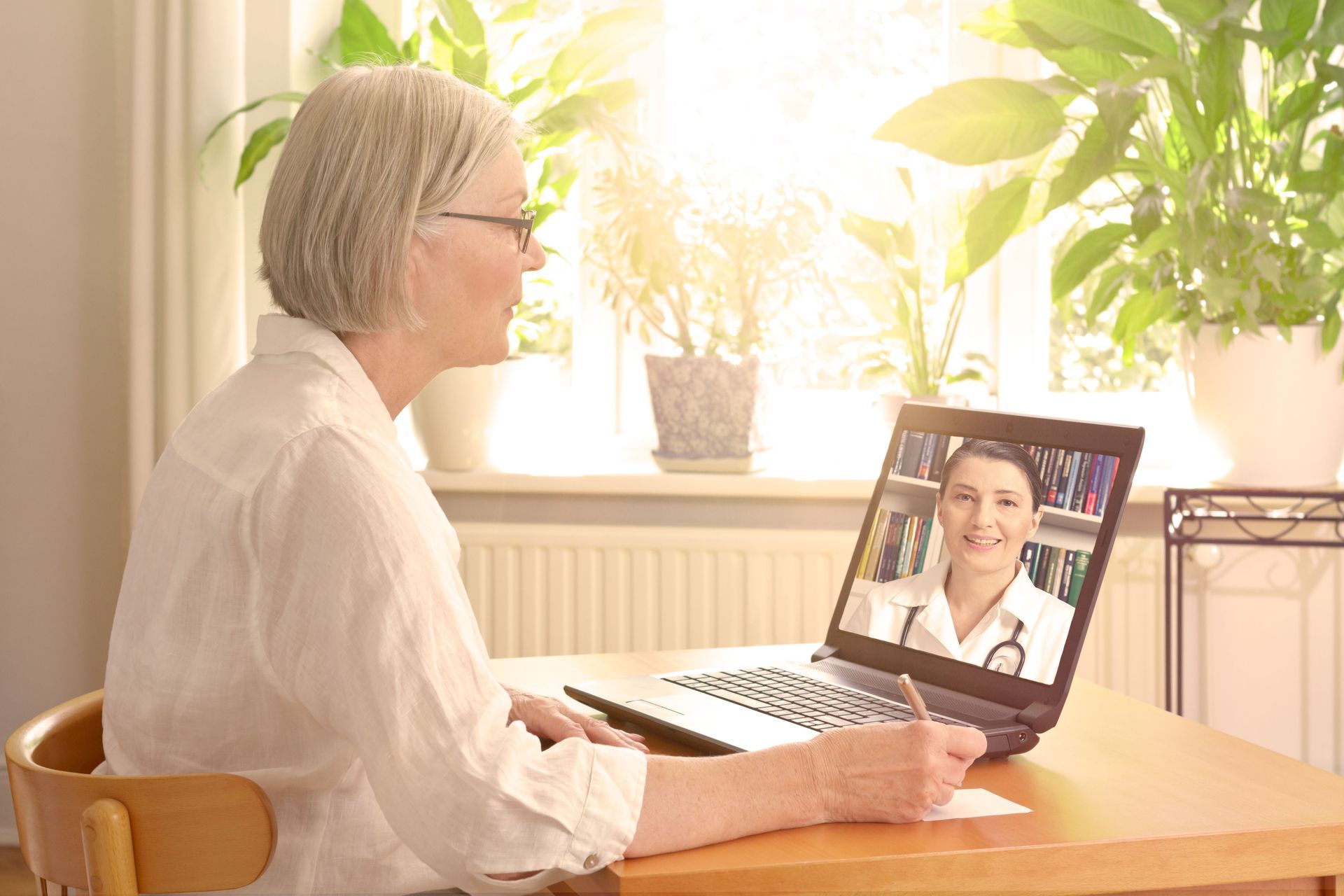
Living in rural or remote areas often means being miles away from the nearest medical facility, which can make receiving basic or specialized care incredibly difficult. When specialists are concentrated in urban centers, patients in less populated regions are frequently forced to endure exhausting and time-consuming journeys just to attend a brief consultation. This geographic disparity creates a significant hurdle, causing many individuals to delay or completely forgo necessary medical attention. By bringing the doctor directly into the patient's home through digital platforms, telemedicine eliminates the need for these grueling commutes. Patients can easily consult with top-tier specialists from across the state or country without ever stepping outside their front door. This virtual connection guarantees that geographical location no longer dictates the quality of care a person receives. Furthermore, this approach allows for more frequent follow-up appointments and continuous monitoring, which are vital for managing chronic conditions effectively. Geographic isolation transforms from a major health liability into a non-issue, empowering patients to take charge of their health regardless of where they choose to reside.
2. Eliminating Transportation Hurdles
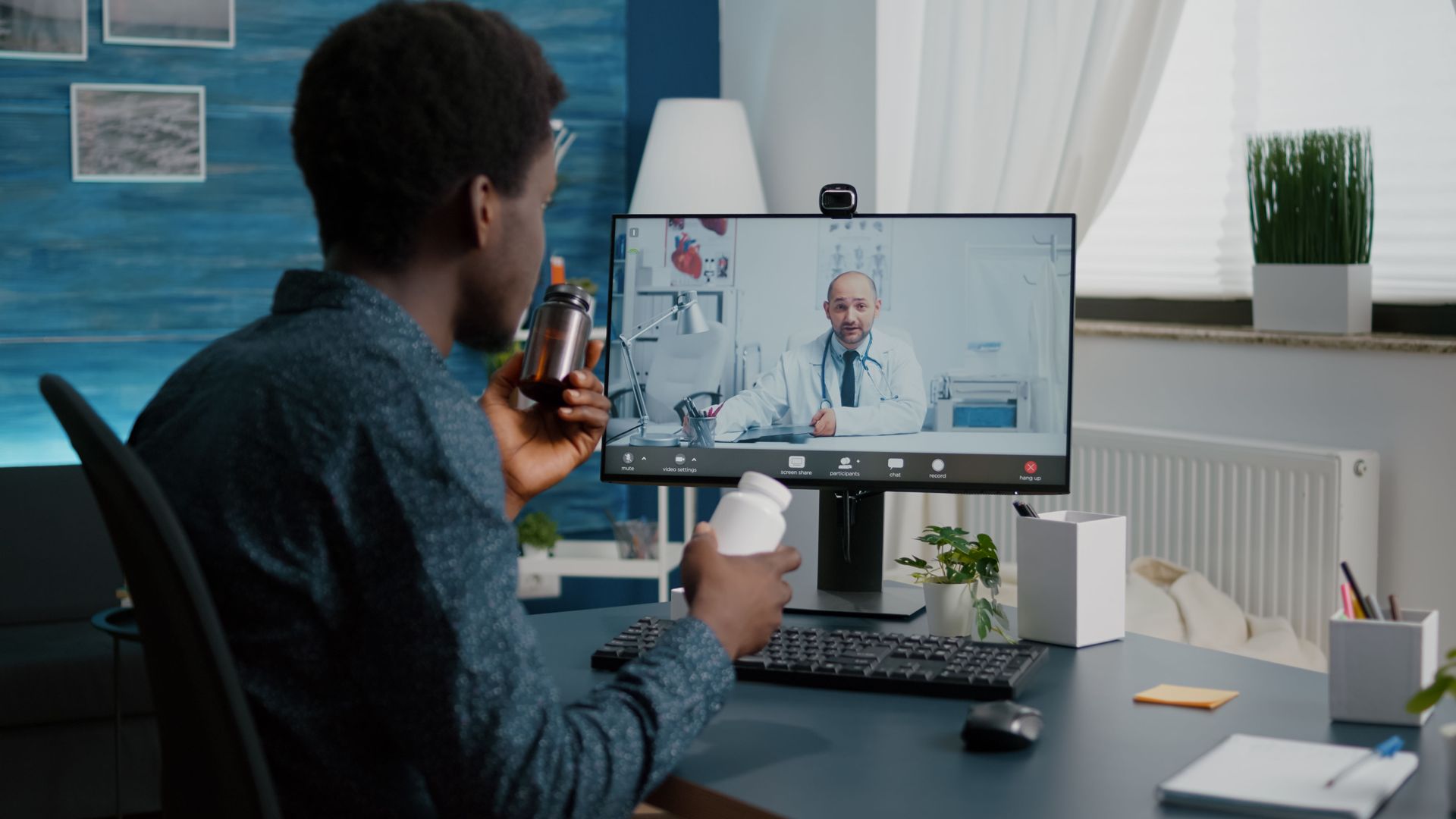
Even for those in heavily populated areas, getting to a clinic is not always simple. Lack of a personal vehicle, unreliable transit systems, and the inability to drive are common roadblocks preventing people from attending appointments. For elderly individuals or those with severe mobility restrictions, simply leaving the house can require extensive planning, assistance from family members, or expensive transport services. These logistical nightmares often result in missed appointments and deteriorating health conditions. Fortunately, telemedicine completely removes the reliance on transportation infrastructure. When medical consultations take place online, the stress and financial burden of arranging rides entirely disappear. Patients can comfortably discuss their symptoms, receive diagnoses, and have prescriptions ordered from the safety and convenience of their own living rooms. The widespread acceptance of this care model is notable. According to the American Medical Association, in 2024, 71.4% of physicians reported using telehealth in their practices weekly, up from 25.1% in 2018 and slightly below the 79% reported in 2020. This massive shift means more providers are equipped to help patients bypass these persistent transportation barriers.
3. Bypassing Scheduling Conflicts
Modern life is incredibly fast-paced, and finding the time to visit a doctor during standard operating hours can be nearly impossible for individuals with demanding jobs or extensive family responsibilities. Taking time off work usually means lost wages, and arranging for childcare adds another layer of complexity and expense to a simple check-up. As a result, many hardworking people put their own well-being on the back burner, ignoring early warning signs of illness until they escalate into serious medical emergencies. Telemedicine provides a desperately needed layer of flexibility to healthcare scheduling. Virtual appointments can often be booked during lunch breaks, before a work shift begins, or even late in the evening. This convenience allows patients to seamlessly integrate medical care into their busy routines without having to sacrifice their income or neglect their dependents. By removing the friction associated with traditional office visits, remote healthcare encourages individuals to be proactive about their health. Catching symptoms early and maintaining regular check-ins with a provider becomes a manageable part of daily life rather than a disruptive chore.
4. Reducing Financial Burdens
The indirect costs associated with traditional healthcare visits can quickly accumulate, creating a massive financial barrier for low-income individuals and families. Beyond the standard copays and deductibles, patients must account for the cost of gas, parking fees, public transit tickets, and the aforementioned lost wages from missing work. When finances are tight, these extra expenses are often enough to deter someone from seeking medical help altogether. Virtual care significantly reduces these hidden out-of-pocket costs. Because the consultation happens remotely, there are absolutely no travel expenses or parking fees to worry about. Additionally, the ability to attend a quick virtual visit without taking a full day off work protects the patient's earning potential. Furthermore, many digital healthcare platforms operate with streamlined administrative processes, which can sometimes result in lower overall consultation fees compared to traditional in-person visits. By mitigating these compounding financial pressures, telemedicine ensures that a person's bank account does not stand in the way of receiving prompt and professional medical advice. Healthcare becomes a more predictable and manageable expense.
5. Minimizing Exposure Risks
Visiting a physical clinic or hospital inherently involves sitting in waiting rooms surrounded by other people who may be carrying contagious illnesses. For the general public, this might just mean risking a common cold, but for individuals with compromised immune systems, the elderly, or those with severe underlying health conditions, this exposure can be incredibly dangerous. Fear of catching a secondary illness in a medical setting is a very real barrier that keeps many vulnerable patients from getting the routine care they need. Virtual visits provide a completely sterile environment for medical consultations. Patients can speak with their doctors, detail their symptoms, and receive a comprehensive treatment plan without ever sharing airspace with sick individuals. This method of care delivery has proven crucial in protecting immunocompromised populations while still ensuring their underlying conditions are meticulously monitored. By allowing patients to remain in their own homes, telemedicine inherently creates a safer, risk-free pathway to receiving professional health assessments, bringing ultimate peace of mind to those who are most susceptible to infections.
6. Alleviating Psychological Anxieties
Many individuals experience severe anxiety when dealing with medical environments, a phenomenon often called white coat syndrome. The clinical atmosphere of a hospital, the smell of antiseptics, and the intimidating presence of medical equipment can trigger intense stress, causing patients' blood pressure to spike and making it difficult to clearly communicate symptoms. For others, seeking help for mental health struggles or sensitive physical conditions carries a heavy social stigma that makes walking into a specialized clinic feel incredibly daunting. Remote care offers a comfortable and discreet alternative that profoundly lowers these psychological barriers. Patients can consult with their providers from the safety and privacy of their own bedrooms, surrounded by familiar comforts. This relaxed environment fosters more open, honest communication between the patient and the provider, leading to more accurate diagnoses and better treatment outcomes. By prioritizing patient comfort and privacy, digital health platforms empower those who might otherwise avoid the healthcare system due to fear or embarrassment to confidently seek the professional guidance they truly deserve.
The landscape of modern healthcare is continually evolving to better serve the needs of diverse populations. The barriers that once prevented countless individuals from seeking medical help—whether they were rooted in geographical location, logistical nightmares, scheduling conflicts, financial constraints, exposure risks, or deep-seated anxieties—are steadily being dismantled. By embracing digital solutions, the medical field is moving toward a much more inclusive, equitable, and patient-centered model of care. Everyone deserves the opportunity to maintain their health and well-being without facing insurmountable obstacles just to speak with a physician. As these virtual tools become even more integrated into daily medical practices, the standard of accessible care will only continue to rise. If you are ready to experience the convenience and reliability of virtual healthcare, call KAMs Mobile Health today to learn more and schedule your next
telemedicine appointment.




Share On: